

Buying a home is likely the biggest investment you will ever make in your entire life. However, the costs do not stop once you sign the closing papers and get your keys. Unexpected breakdowns of expensive systems like your HVAC or water heater can quickly drain your savings account. And, this is why you need a 1 year home warranty plan to protect your essential systems and appliances.
We have seen countless homeowners face massive repair bills just weeks after moving into a beautiful new property. Most standard insurance policies only cover structural damage from fires or storms, leaving your appliances vulnerable. This type of yearly home protection service ensures that you do not face these mechanical failures alone. Let us dive into how this protection works and why it is a smart move for your house.
What Exactly is a One Year Home Warranty?
It is a service contract that covers the cost of repairing or replacing major home systems and appliances for a period of 12 months. If you want to continue protection, you need to renew the agreement with your provider.
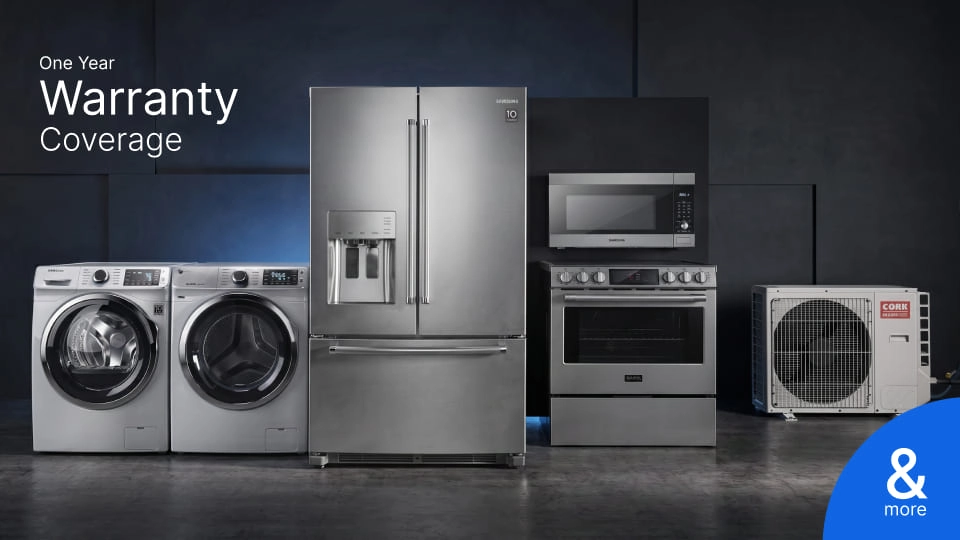
This type of annual warranty coverage applies to essential components like HVAC systems, plumbing, electrical, and kitchen and laundry appliances. Instead of paying the full repair cost, you typically pay a service fee while the provider manages the rest.
As a home warranty provider in the USA, we have seen this play out many times. A homeowner once called after their furnace stopped working during winter. The issue was internal wear in the blower motor. The repair would have cost over $900 without coverage. Under a 12-month warranty plan, they paid a fixed service fee, and the repair was arranged by us quickly.
That’s how a home warranty coverage for 1 year works in real situations. It is less about prevention and more about handling breakdowns efficiently.
How Does a 1 Year Home Warranty Coverage Work?
Once you purchase a yearly service, coverage begins after a short waiting period of 30 days. Let’s see how the usual works:
Step 1: You Choose a Plan
Plans vary by coverage level. Some cover appliances only, like our refrigerator, dishwasher, oven, washer, and dryer. Others focus on home systems like HVAC, plumbing, and electrical. You can also choose bundled plans, as we offer in our First Premier Platinum Plan, that cover both categories, which tend to offer the best overall value.
Step 2: Submit a claim when something breaks down
Suppose, after months of continuous use, your HVAC unit fails to cool due to a worn-out compressor. You need to log in to your customer portal, file a claim, and report the problem for service.
Step 3: The technician is assigned
Once your claim under your 1 year home warranty plan is approved, the company assigns and dispatches a service technician from its network to evaluate it.
Step 4: The technician diagnoses and reports
The repair professional assesses the issue and submits a report to your warranty company. If the breakdown falls within your coverage terms, the company authorizes the repair.
Step 5: Repair or replacement is carried out
The technician completes the necessary repair using approved parts and standard procedures. If the issue cannot be fixed, a replacement is arranged based on your plan’s coverage terms.
This structured approach reduces the effort involved in finding reliable technicians. You pay the service call fee, typically between $60 and $125, depending on your plan. The warranty company covers the remaining repair cost.
What Does a One Year Warranty Cover and What Doesn’t?
Understanding what your plan covers is essential before you sign any contract. Most standard plans focus on those items that keep your daily life running without interruption.
What is Typically Covered
- Heating and cooling systems (HVAC)
- Plumbing systems, including pipes and stoppages
- Electrical systems and panels
- Clothes Washer
- Refrigerator
- Clothes Dryer
- Oven
- Cooktop
- Built-in Microwave
- Garbage Disposal
- Trash Compactor
- Garage Door Opener
- Ceiling & Exhaust Fans
- Water Heater
- Ductwork
- Dishwasher
- Bathtub
Optional add-ons are worth considering, too. Warranty companies let you extend coverage to pools, spas, well pumps, sump pumps, and additional refrigerators for a modest fee. If your home has any of these, the add-on coverage is almost always cost-effective.
In many cases, we have observed that homeowners skip the pool pump add-on to save $6 a month, then face a $900 pump replacement six months later. The math rarely works in your favor when you skip targeted add-ons.
What is Not Covered
- Pre-existing conditions that existed before the plan started
- Cosmetic damage, scratches, dents, and rust on external surfaces
- Damage resulting from pests, mold, or improper installation
- Structural components, foundation, roof, walls
- Outdoor systems, unless added as optional coverage
- Secondary damage caused by a covered breakdown
Are 1-Year Home Warranties Worth it? A Cost-Benefit Analysis
Many homeowners mix up home warranties with homeowners' insurance, which leads to wrong expectations. The two serve very different purposes.
Homeowners’ insurance steps in during sudden events like fire damage, theft, or a fallen tree damaging your roof. A 1 year home warranty, however, covers gradual wear that occurs over time. Think of a water heater element burning out after years, a dishwasher pump failing, or an HVAC compressor wearing down after heavy seasonal use. These are typical situations under home warranties, not insurance claims.
How Much Does a 1-Year Home Warranty Cost in 2026?
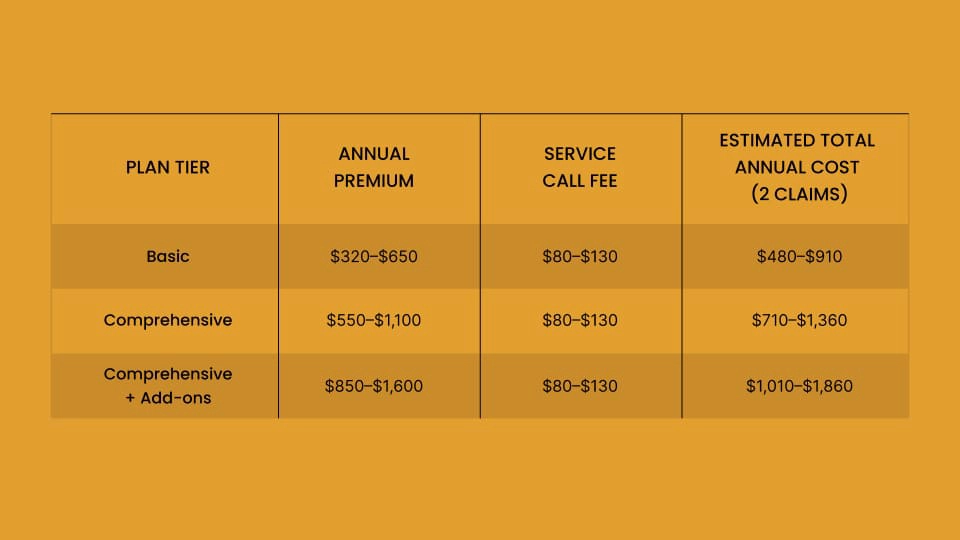
To understand the real cost of home warranties, you need to look beyond just the yearly premium because there is another layer to consider. Every time you request service, you pay a service call fee, often between $75 and $125 per visit. This fee applies whether the repair is simple or complex.
A real-world example scenario:
You choose a mid-range plan costing $500 per year. During the year, you make two service calls at $100 each. Your total annual cost becomes $700 before factoring in any repair savings.
If you are exploring a 1 year warranty, the typical range falls between $320 and $650, depending on your provider and location. Here’s how the numbers generally look:
When you are budgeting for homeownership, this becomes one of several optional costs to evaluate. The key question is not just affordability, but whether this expense gives you better protection compared to setting aside the same amount in savings.
The Real Cost-Benefit Analysis: When Does a Warranty Make Financial Sense?
To figure out if a 1 year home warranty is worth it, a simple comparison helps. If your yearly cost is around $700, you need at least one covered repair exceeding that amount to see real value.
This is where things get interesting.
Situations where it works in your favor:
Major system failures can be expensive. Based on estimates from Consumer Affairs and other home maintenance reports:
- HVAC system replacement: $10,000 to $14,000
- Water heater replacement: $900–$1,700
- Refrigerator replacement: $1,200–$3,200
- Dishwasher replacement: $450–$1,000
Even one major issue, like a failed water heater, can offset multiple years of warranty costs. A large HVAC repair can significantly reduce what you would otherwise pay out of pocket.
The detail that many homeowners overlook.
Most plans include coverage limits. If your HVAC system needs a full replacement costing $10,000, your plan may only cover a portion of it. The remaining cost still comes out of your pocket. Here’s how that plays out in real terms:
The pattern is clear. A home warranty provides the most value when dealing with high-cost system failures, where even limited coverage reduces a large expense.
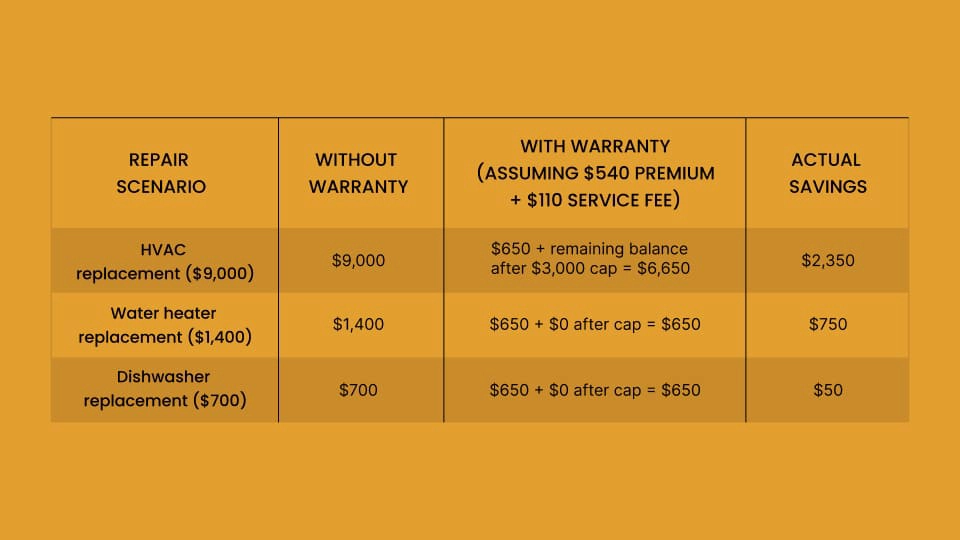
For smaller repairs, like replacing a dishwasher or microwave, the combined cost of the premium and service fees can match or exceed the repair cost itself.
The takeaway is simple. Home warranties work as a financial buffer for bigger, less predictable repairs. If your home has aging systems or you want structured repair support, it can be a practical option.
Final Takeaway
A 1 year home warranty offers a structured way to handle repair needs for essential systems and appliances. It helps manage costs, reduces the effort involved in arranging repairs, and brings consistency to home maintenance.
If you are considering a reliable option, First Premier is a trusted choice. We are recognized among the best home warranty companies in America for our quick claim handling and dependable service support. With the right plan in place, you can stay better prepared for routine breakdowns without added stress.
Frequently Asked Questions
Can I renew the plan after one year?
Yes, you can renew your plan after one year. You will receive a notification before your plan expires, giving you time to review and continue your coverage.
How soon can I file a claim after purchasing a plan?
You can file a claim after an initial waiting period. This waiting period is typically around 30 days from the start of your coverage.
Are 1 year home warranties useful for existing homeowners?
Yes, it is helpful for existing homeowners managing ongoing repair costs. It becomes especially useful in homes where systems and appliances have started aging and need frequent attention.
What happens if a repair cannot be completed?
If a repair is not possible, your warranty provider may move forward with a replacement. The replacement is usually handled based on the coverage limits and terms outlined in your plan.
Related Posts




1-800-388-1918
Protect Your Property, Secure Your Peace: Your Plan Starts Here.