
Homeowners searching for clear answers on home warranty coverage want one thing: a straight list of what's actually protected. A home warranty is a service contract that repairs or replaces major appliances and systems when they fail from normal wear and tear, not from accidents or neglect. Whether you're comparing plans from a trusted best home warranty provider or simply researching your options, understanding what is and isn't covered is the first step toward making an informed decision.
This guide breaks down exactly what falls under a typical plan, what counts as an add-on, and where the fine print usually trips people up. You'll walk away knowing how to match coverage to your actual home instead of guessing.
What Does Home Warranty Coverage Actually Include?
A home protection plan is designed to help cover the repair or replacement costs of important household systems and appliances that fail because of normal wear and tear. Instead of paying the full repair cost yourself, you pay a service fee while the provider arranges a qualified technician to inspect the issue. Of course, every provider offers different plans. Some focus on home systems, others on appliances, while many combine both into comprehensive options.
Understanding what a home warranty covers helps you see where your money actually goes.
Home systems typically covered include:
- Air conditioning system (often up to two units)
- Heating system (often up to two units)
- Electrical system
- Ductwork
- Plumbing system and plumbing stoppages
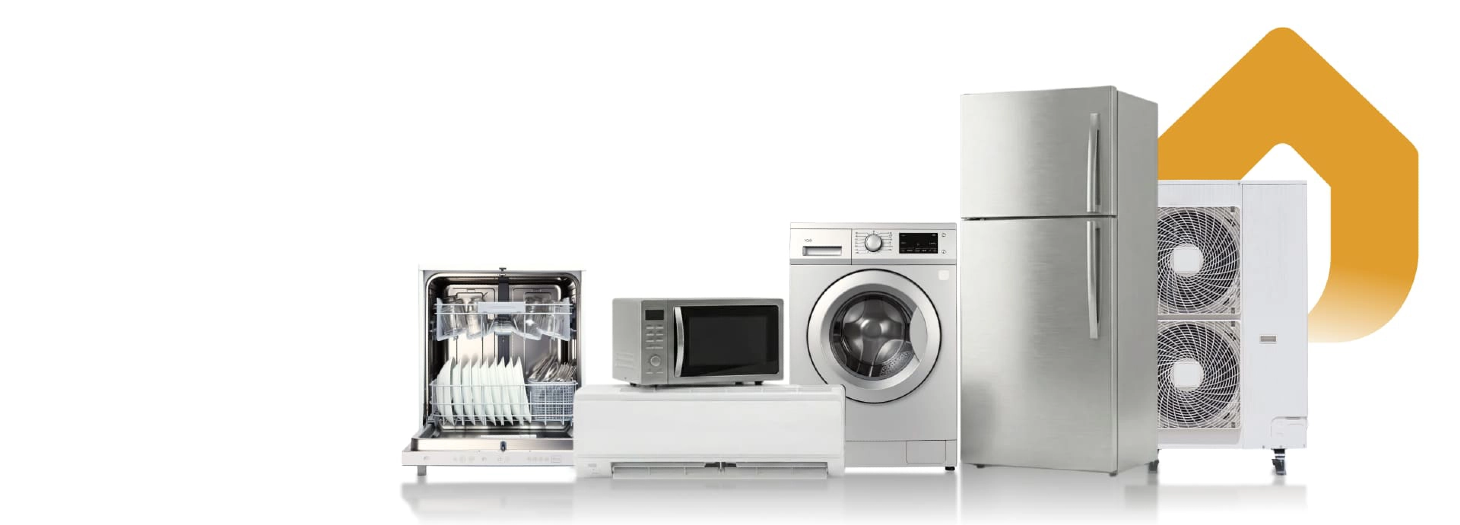
Household appliances typically covered include:
- Refrigerator
- Clothes washer and dryer
- Dishwasher
- Oven, cooktop, and built-in microwave
- Water heater
- Garbage disposal
- Trash compactor
- Bathtub
- Ceiling and exhaust fans
- Garage door opener
Why is coverage of these items important?
According to the U.S. Energy Information Administration (EIA), the three largest categories of residential electricity consumption are:
- Air conditioning: 19%
- Space heating: 12%
- Water heating: 12%
Together, these three categories accounted for 43% of total residential electricity use, making HVAC systems and water heaters the biggest contributors to household energy consumption. Among appliances, refrigerators were the next largest electricity end uses and are found in nearly every home.
Since these systems and appliances operate daily and account for a significant share of household energy use, they experience considerable wear and tear over time. As a result, they are the hardest-working systems in any house.
Regular use also increases the likelihood of repairs as equipment ages. That heavy, near-constant workload is exactly why HVAC failures happen so often and why systems coverage carries real financial weight.
Similarly, a single failed water heater or burst supply line can trigger repair bills that dwarf an entire year of home warranty premiums, which is exactly the kind of breakdown this coverage exists to absorb.
Optional Add-Ons Coverage That You Can Get
Certain items sit outside standard home warranty coverage no matter which plan tier you choose. These usually require optional add-ons priced separately:
- Pool and spa equipment
- Septic system and septic pumping
- Well pump and sump pump
- Second refrigerator or standalone freezer
- Additional HVAC, oven, or water heater units beyond plan limits
- Water softener and central vacuum
- Limited roof leak coverage
- Sprinkler systems
- Laptops, tablets, or TVs
Add-ons exist because these items either fall outside a typical home's footprint or aren't universal enough to justify inclusion in every base plan. If your household actually owns a pool, a septic system, or a second fridge in the garage, skipping the relevant add-on to save a few dollars a month often backfires the first time that item fails.
To understand what's included in standard plans and which optional add-ons may be right for your home, explore our coverage page for a detailed breakdown.
What Isn't Covered in a Home Warranty Plan?
Every plan carries exclusions, and knowing them upfront prevents frustration later. Items generally excluded include:
- Pre-existing conditions that existed before your plan's effective date
- Cosmetic damage that doesn't affect function
- Fire damage or pest-related damage
- Damage caused by misuse, neglect, or lack of maintenance
- Damage caused by Improper installation
- Natural disasters and structural issues
- Code violations discovered during a repair visit
An appliance or system usually needs to be in working order on your plan's start date to qualify. This is a standard condition across the industry, not a specific brand's fine print.
Which Home Warranty Plan Fits Your Home and Budget?
Choosing between an appliance-focused plan and a full-coverage plan comes down to three questions:
- What’s the age of your home?
- How many major systems and appliances do you rely on?
- What can you absorb out of pocket if something fails uncovered?
- Older homes with aging HVAC units and original plumbing usually benefit more from a comprehensive plan that bundles systems and appliances together. Newer homes under builder warranties might only need appliance-level protection until those manufacturer warranties expire.
You can also read our Appliance Repair Cost Guide to understand what common appliance repairs can cost and how a home warranty may help reduce unexpected out-of-pocket expenses.
A Realistic Look at How Coverage Plays Out
One of our customers, Melissa, a homeowner in Columbus, Ohio, woke up on a freezing Friday evening to find that there was no hot water. Her aging water heater has suddenly failed just as temperatures begin to drop. Fortunately, she had already enrolled in First Premier’s Platinum Plan, which includes water heater coverage. Instead of scrambling to find an emergency plumber or worrying about an expensive repair bill, she simply submitted a claim online.
Within the next couple of business days, a qualified service technician was assigned to inspect and repair the unit. Melissa paid only the applicable service fee rather than the full cost of the repair. For many homeowners, the real value of home warranties goes beyond the coverage itself. It provides a straightforward claims process, more predictable repair costs, and confidence when an essential home system unexpectedly fails.
What are the Most Common Home Warranty Misconceptions?
A few misunderstandings show up again and again among first-time buyers comparing home warranty coverage for the first time.
1. A home warranty is the same as homeowners insurance.
These two protections serve entirely different purposes. Home insurance covers sudden, external events like fire, theft, or storm damage. A warranty covers internal breakdowns from ordinary wear and tear, like a compressor wearing out after years of heavy use.
2. Older appliances and systems aren't covered.
This isn't true. Older systems and appliances are generally eligible as long as they're functioning properly when your plan starts. Age alone doesn't disqualify an item; a broken part at signup does.|
3. I can pick my own repair technician.
No, you cannot. Most plans require you to use a technician from the provider's vetted network. This keeps repair quality consistent, though a smaller number of plans allow you to source your own licensed contractor for a reimbursement.
4. A home warranty will replace anything that breaks, no questions asked.
Providers repair whenever possible and only move to replacement when repair isn't feasible, subject to coverage limits. Aggregate and per-item caps apply, so a full HVAC replacement may only be partially covered depending on your plan's limits.
5. Add-ons are unnecessary if I rarely use certain items.
Rarely used items like sump pumps or well pumps often fail without warning, specifically because they sit idle. Add-on coverage on infrequently used equipment is frequently the most cost-effective piece of the whole plan.
What Should You Check Before You Sign a Contract?
Before committing to any provider, run through this checklist:
- Aggregate coverage limit: The total dollar amount payable across all claims in a contract term
- Per-item coverage caps: The maximum payable for a single system or appliance
- Service call fee: What you pay each time a technician is dispatched
- Waiting period: The time between purchase and when you're eligible to file a claim, typically around 30 days
- Workmanship guarantee: How long a completed repair is protected if the same issue recurs
- Transferability: Whether coverage can move to a new owner if you sell your home
Reading these terms before signing prevents the single biggest source of buyer frustration in this industry, assuming a plan covers more than the contract actually states.
Why First Premier Home Warranty Deserves a Look
Understanding home warranty coverage is the first step toward protecting the systems and appliances you rely on every day. Choosing the right plan is the second.
If you want appliance and system coverage combined into simple, straightforward plans, First Premier Home Warranty's options are built exactly for that. We offer the best home warranty plans that bundle major systems and everyday appliances instead of forcing you to buy separate contracts, and optional add-ons let you extend coverage to items your household actually uses.
We have also been recognized as one of the best home warranty providers by Top Home Warranty Services for 2026. This reflects our commitment to homeowner satisfaction and reliable service. Whether you're protecting an older home or simply planning ahead, exploring the right coverage today can help you prepare for tomorrow's unexpected repairs. Call us today at 1-800-388-1918 or get a free quote online to find the right warranty plan for your home.
Frequently Asked Questions
Does a home warranty cover HVAC?
Yes, most plans cover the air conditioning and heating system, including major components like the compressor and blower motor, up to the plan's coverage limits.
Do home warranties cover plumbing?
Yes, plumbing systems and plumbing stoppages are typically included, covering issues like pipe leaks and clogged lines caused by normal wear rather than misuse.
Do home warranties cover electrical systems?
Yes, the electrical system is a standard inclusion on most plans, covering wiring and components that fail due to age or normal use rather than faulty installation.
How is home warranty coverage different from homeowners insurance?
A warranty covers mechanical breakdowns of systems and appliances from normal wear, while homeowners insurance covers sudden events like fire, theft, or storm damage to the structure itself.
How much does warranty coverage typically cost per month?
Monthly premiums generally range from about $40 to $90 depending on plan tier, home size, and selected add-ons, plus a separate service call fee per claim.
Related Posts



1-800-388-1918
Protect Your Property, Secure Your Peace: Your Plan Starts Here.