
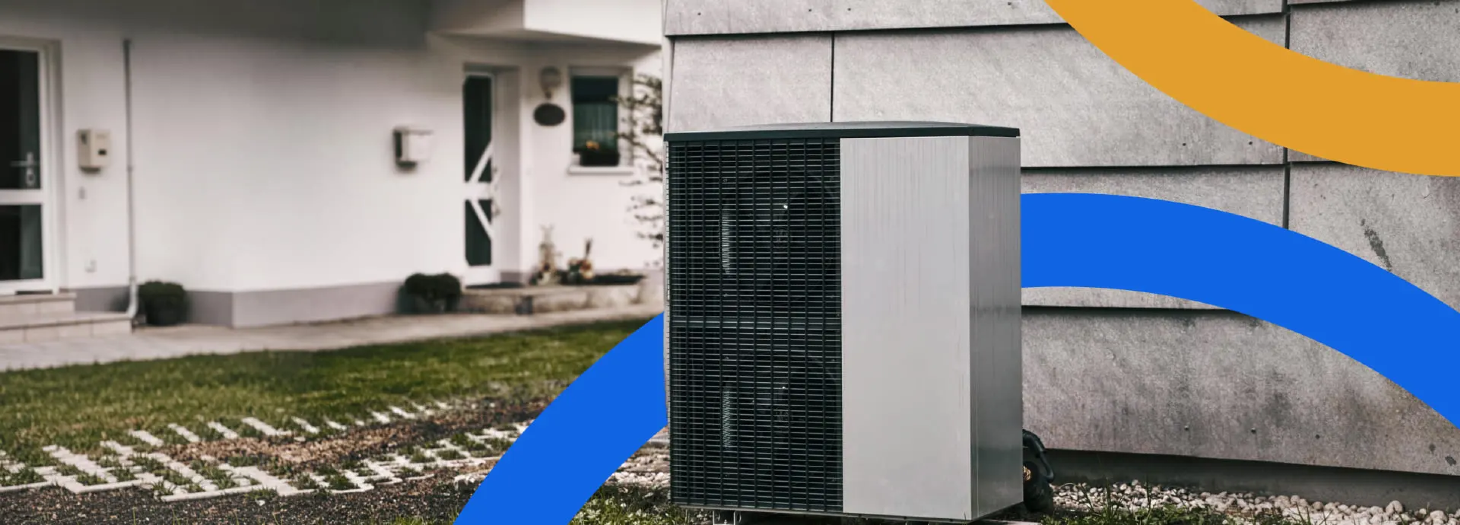
Most homeowners rarely think about HVAC cleaning and maintenance, and this is where problems begin. Ignoring it can lead to frequent service calls, rising repair costs, and days of discomfort. Following a reliable HVAC maintenance checklist helps you identify and address potential issues before they turn into costly problems.
From what HVAC technicians and home warranty providers like us have observed while handling repairs nationwide, a clear pattern stands out. The ones who stick to routine HVAC maintenance spend less money on repairs, see lower utility bills, and rarely face system breakdowns at the worst possible moment. In this guide, we walk you through exactly what to do, season by season, so your system runs efficiently all year long.
Why is HVAC Maintenance Necessary?
The U.S Department of Energy emphasizes that consistent preventive maintenance plays a critical role in lowering the chances of unexpected HVAC system breakdowns over time. Your heating and cooling system runs more often than you realize, especially during extreme weather conditions.
The reasons why regular maintenance is a must:
- Helps your system maintain consistent performance year-round by ensuring all components are clean, properly set, and functioning as intended.
- Lowers monthly energy consumption by reducing the strain on your HVAC system, helping it use less power to maintain comfort.
- Reduces wear on critical components like compressors, motors, and coils, extending the overall lifespan of your system.
Helps maintain steady indoor temperatures so you don’t experience uneven cooling or heating across different rooms. - Minimizes the chances of emergency service calls by catching small issues early before they turn into costly breakdowns.
Improves overall system performance by keeping airflow, filtration, and mechanical parts in optimal working condition.
What Should Be Included in a Complete HVAC Maintenance Checklist?
A good checklist covers inspection, cleaning, and performance checks. Below is a simplified table that gives you a quick view before we dive deeper.
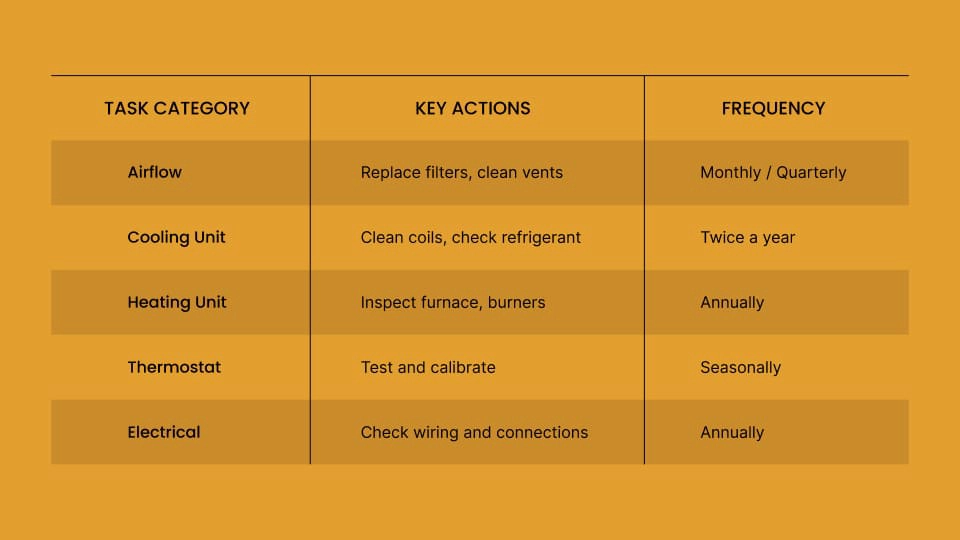
This forms the base of any HVAC system maintenance checklist. Every step contributes to maintaining your system’s efficiency and overall safety.
What Steps Should You Follow for HVAC System Maintenance?
You don’t need technical skills to handle basic upkeep of your heating and AC components. This beginner HVAC maintenance guide takes you through simple steps that help your system perform better and last longer. Each task is easy to follow and can prevent small issues from turning into costly repairs.
Step 1. Replace or Clean Air Filters
Air filters collect dust, dirt, and allergens over time, which can block airflow. When airflow is restricted, your system works harder and consumes more energy. Inspect your filters monthly, and clean or replace them every 1–3 months, depending on usage and the quality of air inside your home.
Step 2. Clean Air Vents and Registers
Dust and debris often build up in vents and registers, affecting both airflow and indoor air quality. Use a vacuum or a damp cloth to clean them regularly and keep air circulating properly. Make sure furniture or curtains are not blocking these vents.
Also, explore our detailed guide on “How to Clean Your HVAC System Safely with DIY Methods” for step-by-step instructions and practical tips.
Step 3. Check Thermostat Settings
Your thermostat controls how efficiently your heating and cooling system operates. Test it occasionally to ensure it responds correctly and maintains the desired temperature. If you are still using an older model, consider upgrading to a programmable or smart thermostat for better energy control.
Step 4. Inspect Outdoor Unit
The outdoor condenser unit remains exposed to dirt, leaves, and other debris all year round. Clear away anything that blocks airflow and maintain at least two feet of open space around it. This helps the system release heat efficiently and prevents overheating.
Step 5. Clean Evaporator and Condenser Coils
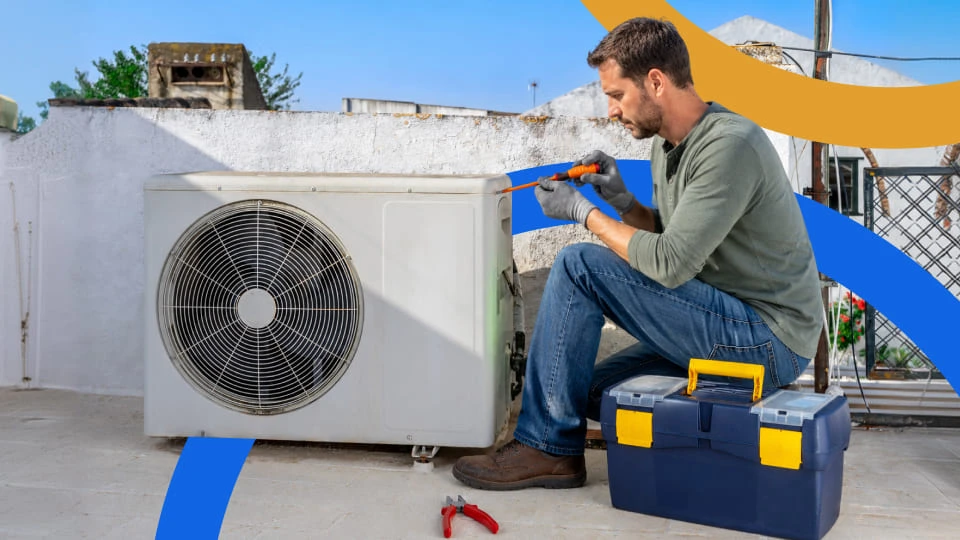
Over time, coils collect dirt, which reduces their ability to absorb and release heat. Turn off the power before cleaning and use a soft brush or cloth to remove visible buildup. Keeping coils clean improves system efficiency and cooling performance.
Step 6. Check Drain Lines
Drain lines carry away moisture produced by your system, especially during cooling cycles. When these lines get clogged, they can cause leaks or water damage. Flush them with a mixture of water and vinegar every few months to keep them clear.
Step 7. Listen for Unusual Sounds
Your system usually runs with a steady and consistent sound. If you hear grinding, rattling, or buzzing noises, it may indicate loose parts or internal issues. Addressing these sounds early can prevent more serious damage.
Step 8. Monitor Energy Bills
A sudden increase in your energy bill can signal that your system is working harder than it should. This often points to inefficiency caused by maintenance issues. Keeping an eye on your monthly usage helps you spot problems early and take action quickly.
Pro Tip: If you have pets or allergies, consider using a filter with a higher MERV rating. This captures smaller particles but requires more frequent changes to maintain proper airflow throughout the ductwork.
To learn more about duct cleaning, explore our blog: How to Clean Ductwork Like a Pro: A DIY Guide for Homeowners
What Seasonal HVAC Maintenance Tasks Should You Follow?
One of the biggest mistakes homeowners make is treating their HVAC unit maintenance as a once-a-year task. Your system faces different demands in summer and winter. It needs different attention each season.
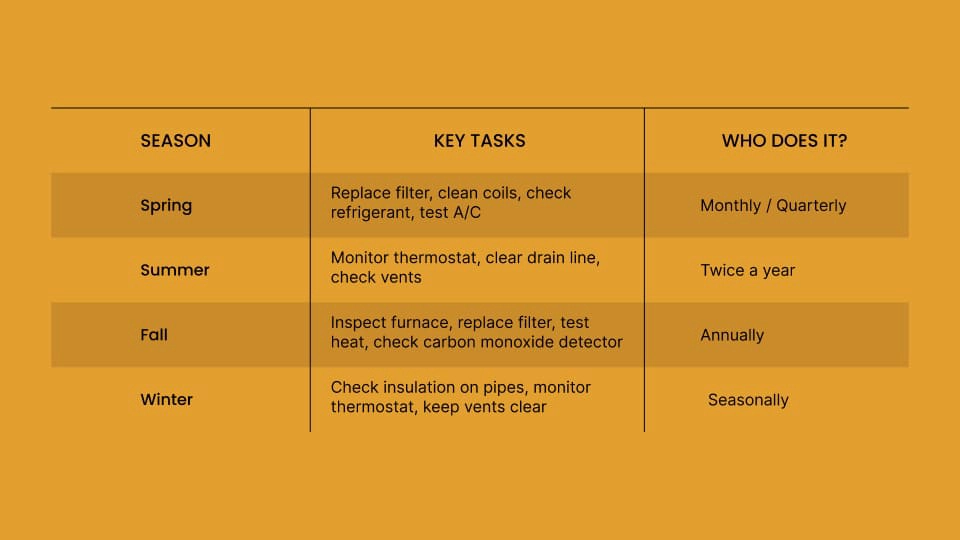
To make your job easy, we have created a table for a routine HVAC preventive maintenance checklist that gives you a clear idea of what needs attention and when to do it.
When To Call a Professional For Maintenance Services
DIY care covers basics, but some tasks require trained technicians.
You should call professionals when:
- Refrigerant levels need adjustment.
- Electrical components require inspection.
- Furnace or compressor issues appear.
- System efficiency drops significantly
Professional HVAC maintenance services include deep inspections, performance testing, and safety checks. These go beyond what a homeowner can safely handle.
The cost of skipping routine HVAC maintenance isn't always immediate. It shows up months later, at the worst time.
How can a Home Warranty Support HVAC Maintenance?
Even with the best HVAC maintenance checklist, parts can fail due to wear and tear. A home warranty for HVAC becomes useful in moments like this. It helps cover repair or replacement costs for major components of your heating and cooling system.
If you want added protection beyond routine care, choosing the best home warranty company, like First Premier, can help cover unexpected repair costs. It complements your maintenance efforts and ensures your home stays comfortable without financial surprises.
Frequently Asked Questions
Can I handle HVAC maintenance myself?
Yes, basic tasks like filter replacement and cleaning can be done at home. Complex issues need professionals.
What happens if I skip routine HVAC maintenance?
Skipping maintenance can reduce efficiency, increase energy bills, and lead to costly repairs.
How long does an HVAC system last?
With proper care, most systems last 10–15 years. Regular maintenance can extend this lifespan.
Is it worth getting a home warranty just for HVAC coverage?
Yes, HVAC systems are among the most expensive to repair or replace in any home. A warranty with HVAC coverage caps your out-of-pocket costs when something fails. If your system is aging, warranty coverage is particularly valuable.

1-800-388-1918
Protect Your Property, Secure Your Peace: Your Plan Starts Here.