

You open the fridge to grab last night's leftovers and notice it. A thin film of moisture coats the shelf. There is a damp paper towel under the vegetable drawer and a faint smell you cannot quite place. You wipe it, close the door, and move on. Most people do. But that is exactly how fridge condensation issues get ignored until a $50 fix quietly becomes a $500 repair bill.
This guide is for homeowners who want to understand what is actually happening inside their refrigerator. We are covering real causes, what that moisture is costing you, and how to stop it before it becomes a bigger problem.
What is Refrigerator Condensation?
Condensation happens when warm, humid air meets a cold surface. The moisture in that air turns into water droplets, the same way a cold glass sweats on a summer afternoon.
Inside a refrigerator, small amounts of condensation are normal. The appliance continuously cycles cool air and manages temperature fluctuations. The problem starts when moisture levels become excessive or persistent, signaling that something is no longer working correctly.
What are the Most Common Signs of Fridge Condensation Problems?
Fridge condensation is more common than many homeowners realize. Appliance manufacturers such as Samsung and GE identify excess moisture, water droplets, and frost buildup as some of the most commonly reported refrigerator performance issues. These problems are especially common in humid climates and in homes where refrigerator doors are opened frequently.

Persistent condensation can also accelerate food spoilage and indicate underlying problems with door seals, airflow, or defrost components. Look for the following signs to catch the issue early:
- Water droplets on interior walls or shelves: Especially visible after the door has been closed for several hours.
- Damp or soggy food packaging: A direct indicator of elevated interior humidity.
- Excess frost in the freezer compartment: Often linked to a failing defrost system or blocked evaporator coils.
- Moisture or sliminess along door seals: Indicates possible gasket failure or mold beginning to form on the rubber.
- Water pooling under the refrigerator: May point to a clogged drain line or a cracked drip pan.
- Condensation on exterior doors: Common in humid climates but also caused by internal temperature inconsistencies.
- Musty or sour odors: Often the first sign that mold or bacteria have started to grow inside.
What Causes Refrigerator Condensation?
While a few water droplets may not seem like a big concern, recurring moisture often points to an underlying issue that should be addressed. Here are some of the most common causes:
1. Frequent Door Openings
Every time the refrigerator door opens, warm air enters the appliance. In humid climates, this air carries significant moisture that condenses against cooler interior surfaces. Households with large families or busy kitchens often see this problem because the door may open dozens of times throughout the day. Each opening reintroduces warm, moisture-laden air into a controlled cooling environment.
2. Damaged or Worn Door Gaskets
The rubber gasket around the refrigerator door creates an airtight seal. When it becomes cracked, loose, dirty, or worn out, warm air continuously leaks into the appliance. Even a small gap can introduce enough humidity to create ongoing moisture problems. A reliable test is the dollar bill check: slide a bill into the closed door. If it slides out without resistance, the gasket has lost its seal.
3. High Indoor Humidity
Seasonal weather significantly impacts refrigerator performance. During summer or in naturally humid regions, excess moisture in the home makes condensation more noticeable inside the unit.
Kitchens are particularly vulnerable because cooking, dishwashing, and other daily activities raise indoor humidity levels considerably.
4. Improper Temperature Settings
A refrigerator set too warm may struggle to manage interior humidity effectively. Temperatures set too cold can create frost and moisture-related problems on evaporator coils.
Most manufacturers like Bosch, GE, and Whirlpool recommend keeping refrigerator temperatures between 35°F and 38°F and freezer temperatures around 0°F. Any significant deviation from these ranges can disrupt the appliance's moisture management system.
5. Blocked Air Vents
Modern types of refrigerators rely on proper airflow to distribute cold air evenly throughout the compartment. When food containers or packaging block internal vents, airflow becomes restricted. Uneven temperatures develop in certain zones, creating moisture buildup in specific areas. This is a common and frequently overlooked cause of localized condensation.
6. Hot Food Stored Immediately
Placing hot leftovers directly into the refrigerator introduces heat and steam into the appliance. As that steam cools, it condenses into water droplets that collect on shelves, walls, and food containers. The thermal shock also forces the compressor to work harder to restore temperature, which can accelerate wear on internal components over time.
7. Faulty Defrost System
Most modern refrigerators use automatic defrost systems to prevent frost accumulation on the evaporator coils. If the defrost heater, thermostat, or timer fails, moisture accumulates rapidly throughout the appliance.
Defrost system repairs typically cost between $150 and $350, according to appliance repair data from HomeGuide and similar industry sources. Catching defrost system failure early prevents it from escalating into compressor-level damage.
8. Refrigerator Not Level
An uneven refrigerator prevents the drain system from working correctly. Water that should flow toward the drain pan instead pools at the lowest point of the floor pan, creating standing moisture.
Adjusting the front leveling feet by one to two turns can restore proper drainage and reduce interior moisture buildup significantly.
Real-World Scenario: How a Small Gasket Gap Led to a $280 Repair
One of our customers, Michael from New Orleans, LA, contacted us after noticing persistent moisture on the bottom shelf of their refrigerator. At first, it seemed like a seasonal humidity issue. However, when fresh produce started spoiling unusually fast, they submitted a service request through their warranty plan.
A technician diagnosed a damaged door gasket that was allowing warm air to enter the refrigerator. The gasket replacement and covered repair helped resolve the issue before excess moisture affected additional components. Had the problem continued for several more months, it could have contributed to evaporator fan wear and significantly higher repair costs. This is a lesson on how addressing small warning signs early can help prevent larger appliance problems.
How to Prevent Fridge Condensation
Most fridge condensation issues can be resolved through consistent, low-effort maintenance habits. These practices are organized from the most impactful to supplementary measures.
1. Keep the Door Closed Whenever Possible
Before opening the refrigerator, decide what you need so you can retrieve items quickly. Avoid standing in front of an open door while preparing meals or deciding what to cook.
In households with children, this habit requires some reinforcement. Each 30-second door-open event introduces a measurable volume of warm, humid air that the compressor must then process.
2. Inspect and Clean Door Seals Regularly
Clean door gaskets monthly using warm water and mild dish soap. Wipe along every fold of the rubber seal, as food residue often accumulates in the creases and compromises the airtight closure.
Inspect for:
- Cracks or visible tears in the rubber
- Warping or sections that no longer press flush against the door frame
- Sticky or slimy texture, which may indicate early mold growth
- Loose sections that have pulled away from the door
If the dollar bill test confirms a weak seal, replacement is usually necessary. Gasket replacements typically run $50 to $100 for most common refrigerator brands.
3. Maintain Proper Temperature Settings
Use a standalone refrigerator thermometer rather than relying on the built-in display. Built-in sensors can drift over time, especially in older units. Keep the refrigerator between 35°F and 38°F and the freezer at 0°F. These ranges support effective moisture management without pushing the system into frost-producing territory.
4. Allow Food to Cool Before Storage
Let cooked meals cool to room temperature before placing them in the refrigerator. A general guideline is to allow food to sit uncovered for no longer than two hours before refrigerating.
Use shallow containers during the cooling period. This increases surface area, speeds cooling, and reduces the volume of steam introduced into the refrigerator once stored.
5. Organize the Refrigerator Properly
Avoid overcrowding shelves. A well-organized refrigerator allows cold air to circulate freely, which helps maintain consistent temperatures throughout the compartment. Keep internal vents unobstructed. Move items stored against the back wall at least two to three inches forward to maintain airflow from the evaporator section.
6. Store Foods in Sealed Containers
Many foods naturally release moisture as they cool. Using airtight containers reduces humidity inside the refrigerator and preserves freshness while preventing cross-contamination. Fruits and vegetables should go into crisper drawers, which are specifically designed to manage humidity at the micro-level within that compartment.
7. Monitor Indoor Humidity Levels
If condensation appears frequently across multiple appliance surfaces in the home, high indoor humidity may be the primary contributor. A portable dehumidifier positioned near the kitchen or improving kitchen ventilation can reduce ambient humidity effectively. Target indoor humidity levels between 40% and 50% for optimal appliance performance.
8. Clean the Drain Line
Most refrigerators contain a drain system that removes moisture generated during defrost cycles. A clogged drain line causes water to collect inside the refrigerator or underneath the appliance.
To clear a blocked drain, use a turkey baster or funnel to pour warm (not boiling) water through the drain hole. Repeat until water flows freely into the drip pan below. Inspect and empty the drip pan every three to six months.
Do Fridge Condensation Issues Affect Food Safety?
This is a question most condensation guides skip over, but it is worth understanding in practical terms. Moisture inside a refrigerator does more than create a damp environment. It creates conditions where certain bacteria thrive and survive longer than they would in a drier interior.
Research published in the National Institutes of Health found that Listeria monocytogenes can survive on refrigerator surfaces at typical refrigeration temperatures. The study also noted that moderate humidity levels may support longer bacterial survival. Listeria is associated with serious illness from contaminated dairy, seafood, and ready-to-eat meats. A persistently damp interior provides the surface conditions that support its survival.
What This Means:
Condensation by itself does not make food unsafe. The risk rises when:
- Moisture pools on shelves or walls: This creates a film that bacteria can colonize over time, especially near raw proteins.
- Condensation contacts open or loosely covered food: The moisture transfers microbial load directly to food surfaces.
- Gasket mold spreads spores into the interior: Mold spores from a contaminated door seal can travel on airflow to food packaging and exposed items.
- Interior wipe-downs are skipped for extended periods: Biofilm builds up on damp surfaces and becomes progressively harder to remove with routine cleaning.
Wiping down wet interior surfaces regularly, addressing the root cause of persistent moisture, and cleaning gasket mold as soon as it appears all reduce microbial load inside the unit. This extends food freshness and reduces the risk of contamination from a surface that is supposed to protect food.
What is the Repair Cost of Fridge Condensation Issues?
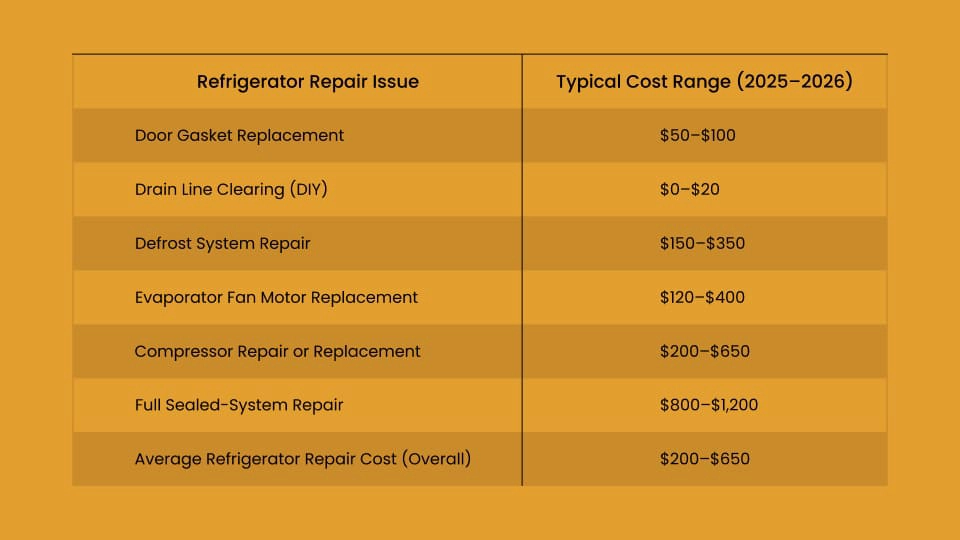
Source: Angi (2026) and industry repair cost estimates. Actual costs may vary based on refrigerator brand, model, location, and labor rates.
How Can a Home Warranty Help With Refrigerator Repairs?
Refrigerators work around the clock, so it's natural for components like compressors, fan motors, and defrost systems to experience wear over time. When those parts fail, repair costs can rise quickly, especially if moisture-related issues have been building unnoticed.
If you are exploring coverage options, First Premier Home Warranty offers protection for covered appliances and systems that homeowners depend on every day. Choosing the best home warranty starts with understanding your coverage before a breakdown happens, so you can handle unexpected repairs with greater confidence. Get a free quote today and see how First Premier Home Warranty can help protect your home and budget.
Frequently Asked Questions
1. Why is there water inside my refrigerator but no visible leak?
Excess moisture often comes from warm air entering the refrigerator, high humidity levels, blocked vents, or food releasing moisture inside the appliance.
2. Is refrigerator condensation normal?
Small amounts of condensation can occur occasionally, especially during humid weather. Persistent moisture buildup usually indicates an underlying issue that should be addressed.
3. Can a dirty door gasket cause condensation?
Yes. Dirt, debris, or damage to the door seal can prevent the refrigerator from closing properly, allowing humid air to enter and create condensation.
4. How often should I clean my refrigerator's door seals?
Inspect and clean door gaskets at least once a month to ensure they maintain a proper airtight seal.
5. When should I call a professional for fridge condensation issues?
If condensation continues despite maintenance efforts, or if you notice leaks, excessive frost, cooling problems, or unusual noises, professional inspection is recommended.



1-800-388-1918
Protect Your Property, Secure Your Peace: Your Plan Starts Here.