
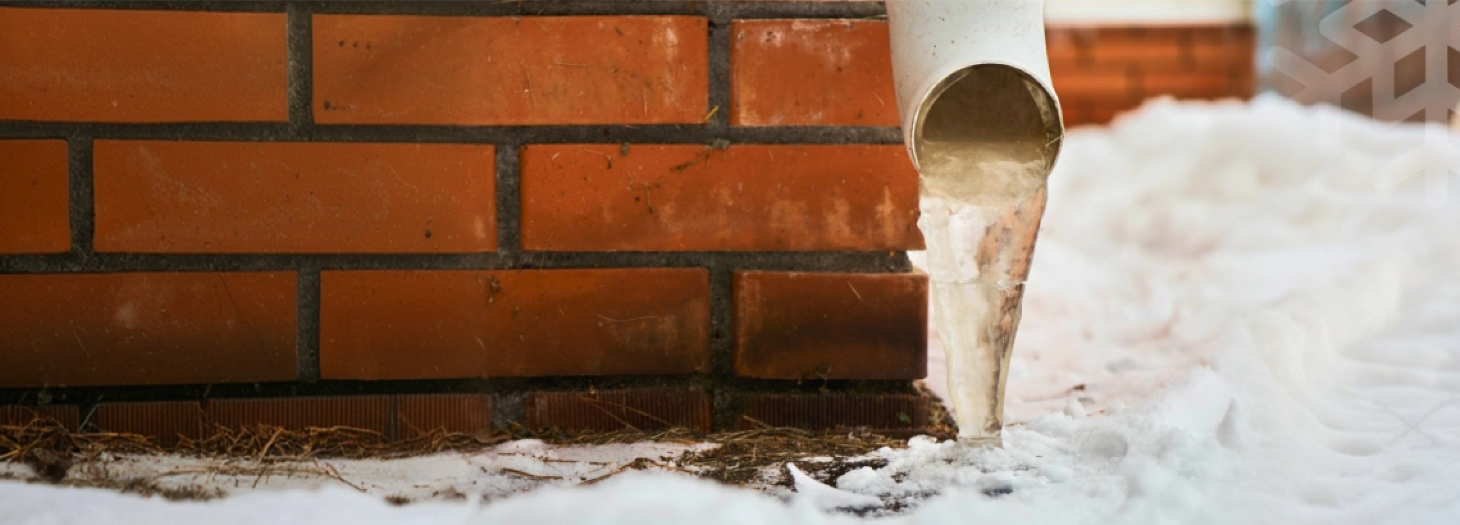
If you’ve ever woken up on a frigid morning with no water, you know the panic it brings. Frozen pipes are a costly headache for homeowners in cold-weather regions. So it’s only natural to ask: Does a home warranty cover frozen pipes? The short answer is: Yes, but it depends on your plan.
In this guide, we’ll explain what home warranty plumbing coverage typically includes. We’ll also cover how to prevent pipes from freezing and what steps to take if one does freeze.
According to the USA News & World Report, water damage and freezing account for roughly 24% of all homeowners' insurance claims in the U.S. That’s a pretty large share of home-related issues.
Which means frozen pipes aren’t as rare as many homeowners think. Having the right warranty plan in place can make unexpected repairs far less stressful. It can also help keep those sudden plumbing expenses more manageable for your budget.
Does a Home Warranty Cover Frozen Pipes? What’s Exactly Included
Let's get right to it. A home warranty is designed to cover important household systems and appliances when they fail from everyday use over time. Plumbing protection is typically one of those covered systems, and that's where frozen pipe coverage can come into the picture.
Some plans extend that coverage to water pipe damage caused by freezing. But there's a catch: if a pipe froze because the home was left unheated or maintenance was neglected, the provider may deny the claim. Hence, routine upkeep is key here.
Here's what plumbing coverage under a typical plan may include:
- Interior Water Supply and Drain Lines
Most warranty plans cover the internal plumbing lines that deliver water throughout your home. If these pipes develop leaks, cracks, or problems arise from everyday usage over time, the warranty may cover repairs or replacements. - Leaking or Ruptured Pipes
If a pipe inside your home bursts or develops a leak, a warranty service may help cover the cost of repairs. This kind of protection can be particularly useful in winter when temperature shifts increase the risk of pipe damage. - Malfunctioning Faucets and Valves
Faucets, shutoff valves, and showerheads can wear out over time, leading to drips, pressure issues, or poor water flow. Plumbing coverage often includes repairs or replacements for these components when the failure occurs as part of normal usage. - Bathtub and Shower Pumps or Motors
For homes equipped with jetted tubs or shower pump systems, warranty plans may include coverage for the mechanical components that power them. If the pump or motor stops functioning due to wear and tear, the plan may help cover repairs. - Plumbing Stoppages and Blockages
Clogs in sinks, bathtubs, showers, or toilets can disrupt daily routines quickly. Many plans include coverage for Plumbing stoppages within interior lines, helping cover the cost of clearing blockages and restoring normal drainage. - Frozen Pipe Damage (When Included)
Some plans specifically extend plumbing coverage to include damage caused by frozen pipes. However, this typically applies only when proper maintenance was followed, and the home remained heated during winter. Always verify whether this protection appears in your contract.
If frozen pipe coverage isn't automatically included in your base plan, it may be available as an add-on. Always read your contract carefully and reach out to your provider to clarify what's covered before winter sets in.
What Types of Damage Can Frozen Pipes Actually Cause?
Understanding why frozen-water pipes are such a big deal helps you appreciate the value of having the right coverage in place. When water inside a pipe freezes, it expands. That expanding ice creates tremendous pressure within the pipe, often more than the pipe walls can handle.
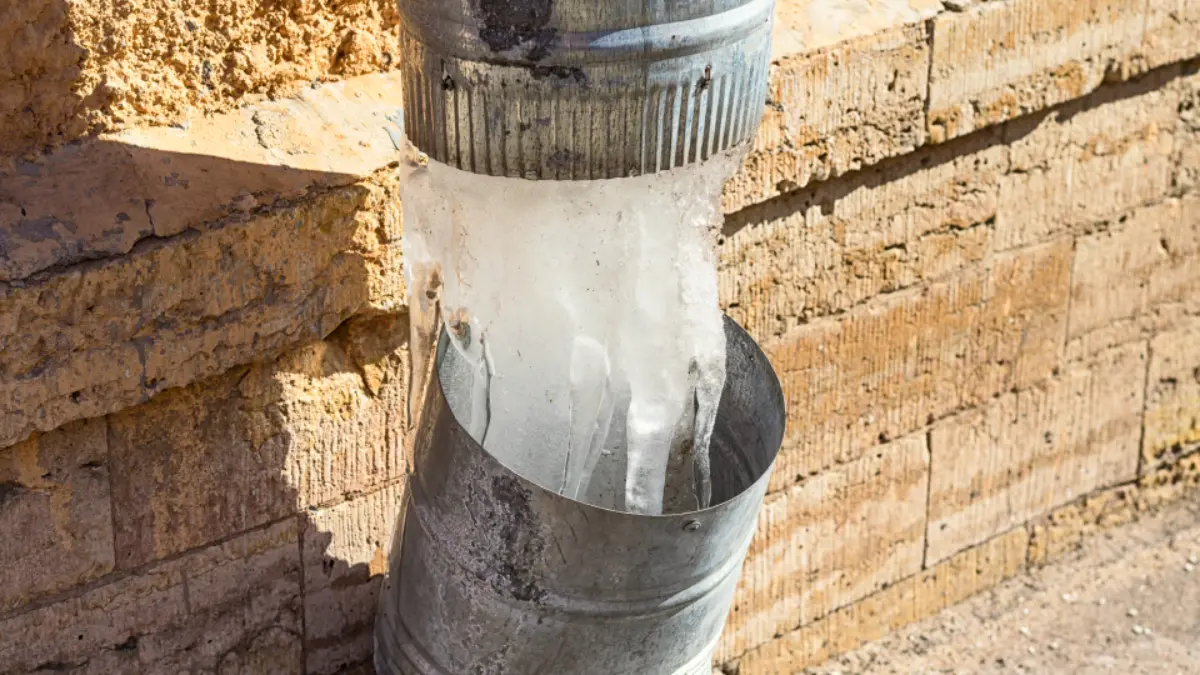
Here's what tends to happen when a pipe freezes:
- Burst pipes: The most serious outcome. When a pipe breaks, it can quickly spill gallons of water in minutes, damaging drywalls, flooring, cabinetry, and personal belongings.
- Water pressure problems: The blockage changes pressure throughout the plumbing system, which can stress joints and connections in the home.
- Mold and structural damage: Water that seeps into walls or subfloors can lead to mold growth and long-term structural issues if not addressed quickly.
- Multiple freeze points: One frozen section often signals that other pipes in the home may be at risk, especially in uninsulated areas like crawl spaces, attics, or exterior walls.
Given this domino effect, catching a frozen pipe early can make an enormous difference. Having the right coverage in place can also help reduce the overall cost of the situation.
How Can You Prevent Frozen Pipes Before They Become a Problem?
Prevention is always the smartest play. Staying on top of winterization helps protect your home from cold-weather damage. It also helps keep your home warranty coverage valid, since most providers require proof of reasonable maintenance. Here are practical steps you can take:
- Keep garage doors closed: Especially when temperatures drop overnight. If your water supply lines pass through the garage, this one habit can prevent a lot of trouble.
- Leave sink cabinet doors open: This lets warm air from your home circulate around pipes tucked against exterior walls, a surprisingly effective and free solution.
- Let faucets drip slightly: A slow drip keeps water moving through the pipes. Moving water is much harder to freeze than standing water.
- Maintain a consistent indoor temperature: Even when you're away from home, keep your thermostat set to at least 55°F. A slight increase in your heating bill is far cheaper than a burst pipe repair.
- Insulate vulnerable pipes: Pipes in attics, basements, crawl spaces, and along exterior walls are most at risk. Installing foam pipe insulation is both low-cost and easy to install.
- Seal drafts and gaps: Cold air sneaking in through cracks near windows, doors, or foundation gaps can drop temperatures around pipes fast. Use caulk or weatherstripping to seal them.
What Should You Do If You Discover a Frozen Pipe?
It's worth noting that “Does a home warranty cover frozen pipes?” is a question best answered before a crisis hits, not during one. Review your coverage now so you know exactly who to call and what to expect.
You turn on the tap, but nothing comes out. Your main water line is on. You've likely got a frozen pipe somewhere. Here's how to handle it step by step without making things worse.
Step 1: Don't panic, but act fast.
Turn on all the faucets in your home to determine which ones have water flowing and which don't. This helps you isolate where the freeze is located.
Step 2: Locate the problem pipe.
Check areas that are most susceptible to freezing: under sinks against exterior walls, in the garage, in unfinished basement sections, or anywhere insulation is sparse.
Step 3: Apply gentle heat if safe to do so.
If you find the frozen section and there are no signs of a leak or burst, use a hairdryer to warm the pipe. Start at the faucet end and work backward. Never use an open flame.
Step 4: Watch for leaks as the pipe thaws.
Keep your hand near the nearest shutoff valve. If water starts spraying when the pipe thaws, shut it off immediately.
Step 5: Call a professional for multiple iced-blocked pipes.
If more than one pipe is frozen, or if you find any signs of a burst, shut off your main water supply and call a plumber right away. This is also when your warranty coverage becomes critical. Contact your provider to submit a claim as soon as possible.
Know Your Coverage Before the Cold Hits
Frozen pipes can cause serious damage fast, especially in homes that deal with harsh winters. The good news is that the right home warranty plan can take a lot of that financial stress off your plate.
Does a home warranty cover frozen pipes? It depends on your plan, but the right coverage means you won't be left scrambling when a pipe bursts and repair bills start adding up.
Don't wait for winter to remind you why plumbing protection is required. Reach out to First Premier Home Warranty today and get a plan that fits your home and your budget.
Related Posts



1-800-388-1918
Protect Your Property, Secure Your Peace: Your Plan Starts Here.