
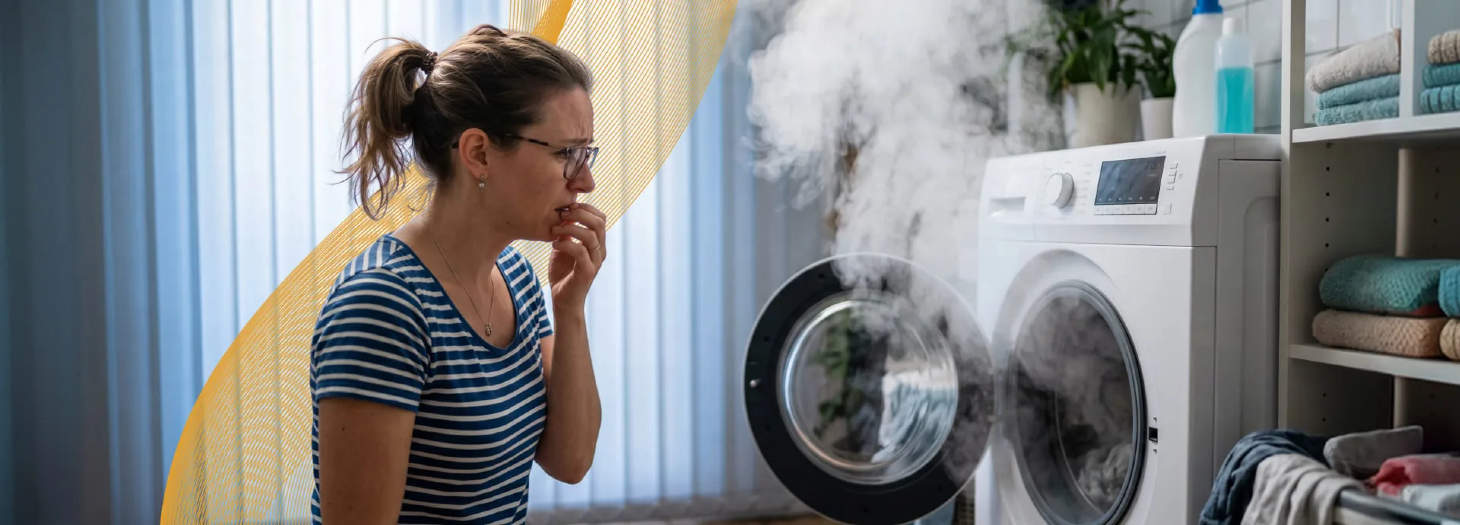
Dryer fires send thousands of U.S. households into emergency mode every year. Most start from a problem hiding in plain sight: neglected lint and clogged exhaust vents. As highlighted by The Ashburn Volunteer Fire & Rescue Department, the U.S. Fire Administration (USFA) reports nearly 2,900 home dryer fires every year. These incidents cause about 5 deaths, 100 injuries, and $35 million in property damage.
Many homeowners assume it happens because of faulty appliances. In reality, most incidents begin with preventable maintenance issues. Failure to clean dryers remains the leading contributing factor. This guide breaks down common dryer fire causes, early warning signs to watch for, and simple habits that lower the risk. We also look at how a home warranty plan can support you if a dryer starts acting up before real damage occurs.
What are the Critical Warning Signs of a Dryer Fire Risk?
Dryers rarely fail without notice. Certain changes in performance point directly to a growing fire hazard, and catching them early can prevent a dangerous outcome.
- Clothes that stay damp or hot after a full drying cycle
- A burning or scorched smell during or after operation
- The dryer or the wall behind it feels unusually warm to the touch
- A noticeably longer drying time compared to a few weeks earlier
- Visible lint collecting around the vent hose or outdoor exhaust flap
If you notice even one of these signs, stop using the dryer and inspect the vent and lint trap before running another cycle. If the issue continues after basic maintenance, electric dryer repair can help identify worn components before they create a larger safety hazard. Ignoring early symptoms is how minor blockages turn into major hazards over time.
What Causes Clothes Dryer Fires and How to Reduce the Risk?
Most dryer fire causes can be traced to preventable maintenance issues and everyday overlooked maintenance tasks. Here is what typically goes wrong, why it happens, and how you can stop it before it starts.
1.Lint Buildup in the Trap and Vent
Lint forms every time clothes tumble and dry, and it collects fast in the filter, drum, and internal vents. This buildup is one of the most frequent causes of dryer fires, since trapped lint blocks airflow and leaves heat with nowhere to escape. That trapped heat combined with flammable fibers creates ideal conditions for ignition.
- Clean the lint trap after every single drying cycle without exception.
- Wipe down the trap housing monthly to remove hidden residue buildup.
- Schedule a full vent cleaning once a year, even without visible signs.
- Vacuum behind and underneath the machine regularly to catch loose lint.
2. Blocked or Restricted Dryer Vents
A blocked vent traps hot air inside the drying machine instead of releasing it outdoors safely. According to the National Fire Protection Association, dust, fiber, and lint were the leading items first ignited in dryer fires, appearing in roughly a quarter of reported incidents. Restricted airflow forces the unit to overheat again and again.
- Check that the outdoor vent flap opens fully during each drying cycle.
- Keep the vent run as short and straight as the building layout allows.
- Remove bird nests, debris, or dust clogging the outside vent opening.
- Call a professional cleaner if drying times suddenly increase without explanation.
3. Flexible Plastic or Foil Ducting
Many homes still use flexible plastic or foil ducting to connect the dryer to its exhaust vent and is one of the often-overlooked dryer fire causes. These materials sag, kink, and trap lint far more easily than rigid alternatives. Manufacturers warn against this setup because trapped lint inside a twisted duct can ignite quickly under normal operating heat.
- Replace foil or plastic ducting with rigid or semi-rigid metal venting.
- Avoid sharp bends that create pockets where lint can settle.
- Secure every duct connection with a metal clamp, not tape.
- Choose UL-listed venting materials whenever you replace or install ducting.
4. Faulty Electrical Wiring and Connections
Dryers pull a heavy electrical load every time they run a cycle. Worn wiring, loose connections, or an outdated outlet can generate sparks near highly flammable lint. Older homes without dedicated dryer circuits face a higher risk, since shared circuits are more likely to overheat under sustained appliance demand.
- Have an electrician inspect the machine wiring every few years for wear.
- Avoid running the machine on an extension cord or power strip.
- Watch for warm outlets, tripped breakers, or a burning smell nearby.
- Request a dedicated circuit if your dryer shares one with other appliances.
5. Overloading the Dryer Drum
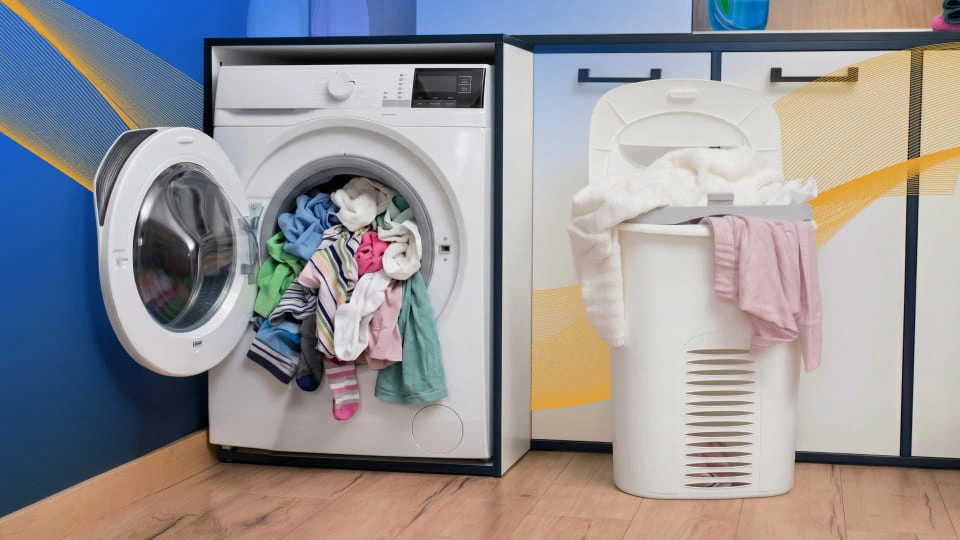
An overloaded dryer drum is also among the most common dryer fire causes. Stuffing too many clothes into one cycle forces the machine to work harder and run longer than it should. Overloaded drums restrict airflow around each item, trapping heat instead of releasing it evenly. This extra strain raises internal temperatures and puts more pressure on aging heating elements.
- Dry smaller loads so air can circulate freely around each item.
- Separate heavy fabrics like towels from lighter, quick-drying clothing items.
- Leave room in the drum instead of packing it completely full.
- Follow the manufacturer's recommended load size printed inside the door.
6. Drying Oil-Soaked or Flammable Items
Fabric soaked in cooking oil, gasoline, cleaning solvents, or other flammable residue can ignite from dryer heat alone, even after a wash cycle. Some materials continue generating heat through a chemical reaction called oxidation, long after the drying cycle ends. That delayed reaction is why some fires start after the machine has already stopped running.
- Wash oil-stained fabric twice before placing it anywhere near the appliance.
- Air-dry rags or clothing exposed to flammable liquids or chemicals.
- Store rags soaked in oil or solvents in a sealed metal container.
- Never leave a running drying machine unattended overnight or while you are out.
Which Dryers and Seasons Carry the Highest Fire Risk?
Not every drying appliance carries equal risk. Electric dryers run hotter than gas models, and the added heat discharge speeds up lint buildup inside the unit over time. Industry fire-loss data shows electric ones are involved in fires far more often than gas appliances, mainly because of this extra heat load.
Winter plays a role in clothes dryer fires too, since colder weather pushes households to run more loads while doors and windows stay shut. Fire departments consistently log more laundry room fire calls in January than in any other month. Heavier laundry and less frequent vent checks push the risk higher during the coldest stretch of the year, so homes in colder states may want to schedule vent cleaning earlier in the fall.
How Can a Home Warranty Help After a Dryer Repair Issue?
Catching a dryer-related problem early is only half the equation, since repairs still cost time and money. Parts like heating elements, thermostats, and timers wear out over years of use. A worn part can quietly raise fire risk long before it fully breaks down. If you have also noticed your dryer won't spin, it's another warning sign that shouldn't be ignored before the problem becomes more serious.
A home appliance warranty gives homeowners a structured way to manage those costs when an appliance starts showing warning signs.
- Predictable Repair Costs: A reliable best home warranty plan requires you to pay a flat annual premium and service fee (only when repair is required). So, a clothes dryer repair does not turn into a surprise expense.
- Access to In-Network Technicians: Homeowners get connected with experienced contractors already familiar with the latest systems and appliances' functionalities and common failure points.
- One Claim, One Process: Submitting a single claim covers diagnosis and repair coordination instead of researching contractors yourself.
- Coverage Beyond the Dryer Itself: Many plans also cover electrical components, major systems, and appliances like HVAC, plumbing, oven, dishwasher, refrigerator, washer, garbage disposal, and more.
- Reduced DIY Risk: Working with an assigned technician through your provider network lowers the chances of unsafe fixes being attempted without proper training.
Bringing It All Together
Understanding the root dryer fire causes allows you to implement simple habits that keep your household safe year after year. From clearing out your exhaust ductwork annually to recognizing the dangerous smell of scorching lint, proactive maintenance is your best defense against unexpected disasters.
Yes, it's true that dryer fire prevention comes down to consistent care. But even well-maintained appliances face unexpected part failures over time. First Premier Home Warranty simplifies that uncertainty by covering repairs for covered systems and appliances, including your dryer, when normal wear and tear takes over. Submitting a claim takes a few minutes online or by phone. A technician then gets matched to your issue, so you are not left vetting contractors alone.
Choosing a trusted best home warranty provider means one predictable plan handles appliance surprises instead of a scramble for last-minute repair quotes. Combined with routine dryer maintenance, that coverage rounds out a safer, more manageable home.
Frequently Asked Questions
How often should I clean my dryer vent to prevent fires?
Most manufacturers and fire safety experts recommend professional vent cleaning once a year. Households running frequent loads, or homes with long duct runs, may need cleaning every six to nine months instead. Slower drying times or a burning smell mean cleaning is overdue.
Can a dryer fire happen even if I clean the lint trap every time?
Yes, lint still collects inside the vent duct itself, so cleaning only the trap will not remove hidden buildup deeper in the exhaust system.
What should I do if I smell burning while the dryer is running?
Turn off and unplug the drying machine immediately, let it cool, then inspect the lint trap and vent before running another cycle.
Does a home warranty cover dryer vent cleaning or only repairs?
Home warranties typically cover repair or replacement of appliance components that fail from normal wear and tear, not routine cleaning or maintenance tasks.
Are gas dryers or electric dryers more likely to catch fire?
Electric drying appliances account for the majority of fires, largely because more households own electric models, though both types carry lint-related fire risk.
Is it safe to run a dryer overnight or while away from home?
Fire safety experts advise against running an appliance overnight or leaving the house while it operates. A malfunction can go unnoticed for hours, giving a fire time to spread before anyone responds. Running loads only when someone is home allows for a quick reaction if a problem develops.
Does an older dryer carry a higher fire risk?
Yes, machines older than ten years face more wear on thermostats, heating elements, and internal wiring, raising the chance of malfunction. Combined with years of lint accumulation in hard-to-reach spots, aging units carry meaningfully higher fire risk than newer models.



1-800-388-1918
Protect Your Property, Secure Your Peace: Your Plan Starts Here.