
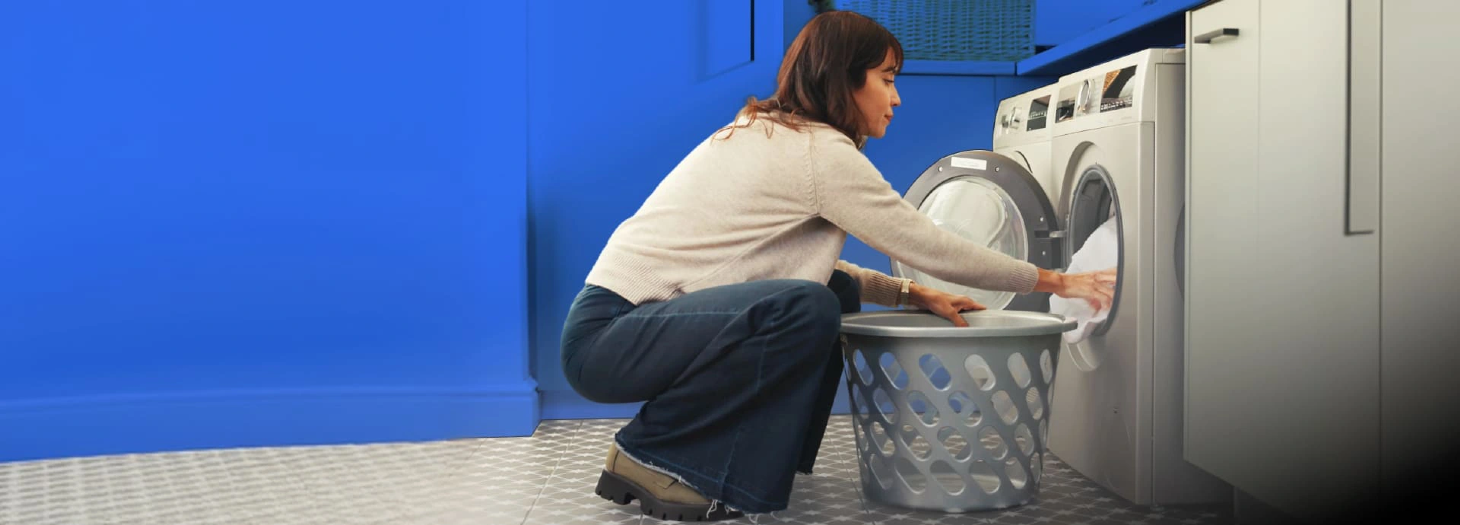
Electric dryer repair may sound intimidating, but most issues are simpler than they seem. Many problems start with small parts, loose connections, blocked vents, or everyday wear that builds over time. With a little patience and the right steps, homeowners can fix several common dryer troubles without stress or confusion.
Most people only notice the dryer when it stops heating or refuses to start. By then, laundry piles up and frustration kicks in. This guide breaks everything down into practical steps, giving you clear direction and confidence. You’ll learn how to fix the most common problems by yourself and when you should call a professional.
What’s Inside Your Electric Dryer? (Know It Before You Fix It)
Before you grab a screwdriver, take a minute to understand the main players inside your machine. Electric models are simpler than gas ones because they don’t deal with combustion.
Key parts include:
-
Drum – the big barrel that turns your clothes
-
Motor – spins the drum and runs the blower
-
Heating element – the coil that makes hot air
-
Thermal fuse – a one-time safety switch that blows if things overheat
-
Lint trap and exhaust hose – keep airflow moving
Find your model number (usually on the door frame or back) before ordering any parts. Knowing these basics makes every electric dryer repair faster and less stressful.
Safety Measures You Must Follow Before Repair
Never skip safety steps with electrical appliances. Here's what you must do:
-
Unplug the machine completely from the wall outlet before touching anything inside
-
Turn off the circuit breaker if your dryer is hardwired rather than plugged in
-
Wear work gloves to protect against sharp metal edges and brackets
-
Use eye protection when working inside the dryer cabinet
-
Wait for parts to cool since internal components can retain heat
Essential Tools You Need for Basic Dryer Repairs
You don't need a workshop full of equipment. These basic tools handle most repairs:
-
Screwdrivers: Both Phillips and flathead in medium sizes
-
Nut driver: Get 1/4″ and 5/16″ sizes for most dryer screws
-
Multimeter: Essential for testing electrical components like fuses and heating elements
-
Shop vacuum: Helps clean out lint from inside the housing
-
Flashlight or headlamp: Illuminates dark corners and hidden components
-
Work gloves: Protects your hands during the entire process
Most homeowners already own several of these tools. The multimeter is probably the only specialized item, and basic models cost under $20.
How To Do Common Electric Dryer Repair at Home?
Problem 1: Why Won’t My Dryer Start at All?
Press the start button and… nothing happens. This is a very common issue faced by homeowners. In this case, first check the basics:
1. Is it plugged in firmly? Is the door fully closed?
2. Test the outlet with a lamp or voltage tester.
3. Open the door, check the door switch, and press it by hand. You should hear a click.
4. Still dead? The thermal fuse is the most common culprit on electric machines.
How to fix it:
1. Check your breaker panel. Reset any tripped switch.
2. Make sure the plug sits firmly in the outlet.
3. Open the door and press the door switch with your finger. If it feels loose or does not click, it may be faulty.
4. Remove the rear panel and locate the thermal fuse. Use a multimeter to test for continuity. Replace the fuse if the reading shows no continuity.
5. If the dryer still doesn’t start, the start switch or timer may need replacement. Both require simple screw removal and swapping parts, but only if you feel comfortable doing it.
Problem 2: Why Is the Dryer Not Spinning?
The drum turns by a rubber belt looped around a motor pulley. When the belt breaks or slips off, the drum sits still while the motor runs.

DIY Fix for this: Unplug, remove the front or back panel (depends on brand), and look for a broken black belt on the floor. Order an exact replacement using your model number. Loop the new belt around the drum and motor pulley exactly like the old one (take photos first). Takes 20–30 minutes once you’re inside.
Problem 3: Why Won’t the Dryer Door Stay Shut?
A door that pops open mid-cycle stops your dryer from running. This usually involves the door latch or strike. Over time, the latch can loosen, crack, or lose alignment.
Possible Fix or Solution:
Look at the latch area while the door is open and check whether the metal catch is bent; if it is, gently straighten it. After that, test the latch by closing the door lightly. If it doesn’t click, remove the screws and install a new latch kit. Also, check the strike plate on the body to make sure it lines up with the latch, and adjust it if needed.
Problem 4: Why aren't the clothes drying properly?
This is almost always airflow trouble, not a bad heating element.
1. Clean the lint trap completely, even a thin film blocks air.
2. Then pull the dryer out and disconnect the exhaust hose so you can vacuum inside the hose and the vent pipe in the wall.
3. While it runs, check the airflow at the outside vent flap. If it’s weak or missing, the vent is likely clogged further up
Grabbing a $20 vent-cleaning brush kit from the hardware store usually clears it out in about 15 minutes.
Problem 5: Why is the dryer making strange noises?
Squealing, thumping, or grinding usually means something inside the machine is worn or out of place. A squeal often points to tired drum rollers or a worn belt, while thumping suggests something caught in the drum. And, grinding usually comes from worn glides or a failing idler pulley.
How to fix it:
Start by checking for coins, buttons, or small items that may have slipped through the drum. Remove the front panel and clear anything sitting underneath. Then look at the drum glides; if they’re worn, the drum rubs metal-on-metal, and replacing them is simple once the front panel is off. Finally, inspect the idler pulley near the motor. Spin it by hand; if it feels rough or noisy, it’s time for a new one.
When Should You Call a Dryer Repair Professional?
Call a professional when you notice these things:
-
Burning smell or visible scorch marks
-
Sparks or smoke
-
Broken control board (random buttons or display issues)
-
Still no heat after replacing the element, thermostat, and thermal fuse
A home warranty can be a huge help in these moments. Instead of searching for a trusted technician or paying high repair bills, your warranty provider sends an approved service expert who knows how to handle your model. This support brings predictable repair costs and quick scheduling whenever unexpected trouble appears.
Wrapping It Up
Tackling electric dryer repair at home is easier than most homeowners expect. With a little patience and a clear understanding, it becomes far less intimidating. Once you know the parts and common issues, quick fixes become routine.
Still, when repairs involve electrical risks or unclear symptoms, calling a professional is the safest choice. Staying proactive keeps breakdowns rare and laundry day stress-free.



1-800-388-1918
Protect Your Property, Secure Your Peace: Your Plan Starts Here.