

Your boiler works hard all winter long, but are you giving it the attention it deserves? Following simple boiler maintenance tips can help keep the heat on instead of dealing with a cold house late at night.
In this blog, you'll discover straightforward maintenance habits that actually work. Plus, we'll help you spot red flags that signal it's time for professional help. Let's get your heating system winter-ready.
7 Common Boiler Maintenance Tips Every Homeowner Should Follow
Good maintenance is really about staying ahead of trouble. These seven actions below take minimal effort but deliver maximum results for your heating system. So, are you ready to give your boiler the care it needs? Let’s begin.

1. Release Trapped Air From Radiators
Cold spots often mean air is stuck inside the radiator. Bleeding lets trapped air out so the radiator can heat evenly again. For this, you need to turn the system off, open the valve with care, and close it once water appears. It’s an easy fix that often helps radiators warm up better.
2. Check Air Vents and Flues
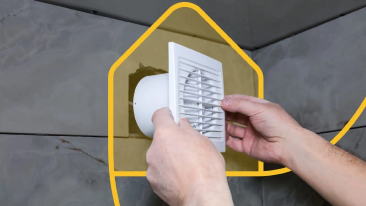
Boilers need clear airflow to operate properly. Leaves, dust, or debris around vents and flues can restrict air movement. Take a few minutes to visually inspect these areas, especially before winter. Clearing blockages helps support consistent operation and reduces strain on internal components.
3. Monitor Boiler Water Levels
Low water levels can stress internal parts and reduce heating performance. Check the gauge periodically and compare it to manufacturer recommendations. If levels drop often, there may be a leak nearby. Adding water without fixing the cause can lead to repeated issues.
4. Watch the Overflow Pipe
A dripping overflow pipe isn’t normal. It often points to pressure issues or a faulty relief valve. Check the pipe during regular inspections, especially after heavy boiler use. If dripping continues, stop using the system and contact a professional to prevent further damage.
5. Keep the Area Around the Boiler Clear
Boilers need space to release heat and draw in air. Stacked boxes or stored items can trap heat and restrict airflow. Keep at least a few feet of clear space around the unit. This also makes it easier for technicians to service your unit when needed and reduces fire risk.
6. Observe the Flame Color
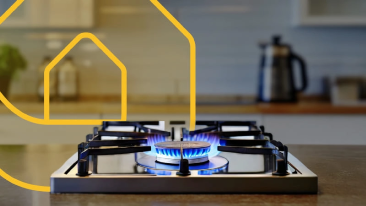
A healthy boiler flame should burn blue. Yellow or orange flames may signal combustion problems or gas issues. If the color looks off, turn the system off and call a technician. Ignoring flame changes can lead to unsafe operating conditions.
7. Listen for New or Unusual Noises
Clanking, whistling, or banging sounds aren’t normal. These noises can indicate air buildup, mineral deposits, or pressure problems. Paying attention to new sounds helps catch issues early before they affect heating performance or system reliability.
Easy Boiler Repair Troubleshooting Steps For Common Issues
Before calling for a service professional, there are a few basic checks worth trying. Some boiler issues come from simple causes that are easy to spot at home. The steps below focus on quick troubleshooting steps to identify common problems early.
No Heat or Hot Water Production
Start with your thermostat, and make sure it's set correctly and calling for heat. Bleed radiators to eliminate trapped air that prevents circulation. Check the boiler display for error codes and verify power is reaching the unit. Reset the boiler if your manual shows how to clear minor faults. However, persistent issues require a technician's expertise.
Boiler Refuses to Start
Verify your thermostat is calling for heat with correct settings and working batteries. Check the main electrical panel for tripped breakers. Look at the boiler display for fault codes and consult your manual for reset instructions. You also need to make sure the gas supply valve is fully open. If basic checks fail, internal electrical components likely need professional repair.
Visible Water Leaks
Puddles near your boiler or damp spots on nearby walls signal leaks in your system. Check all visible pipe connections and the boiler itself for moisture. Monitor your pressure gauge over a few days, steady drops confirm a leak exists. Following proper boiler maintenance tips like routine visual checks helps you spot leaks before they cause extensive water damage or mold growth.
Frozen Drainage Pipe
The external condensate pipe can ice over during cold weather and block drainage. Thaw it by applying warm water with a watering can or wrapping it with heat packs. Avoid extreme heat sources that could damage PVC piping. After thawing, the system should reset automatically. Repeated freezing calls for professional pipe insulation or rerouting.
Thermostat Not Responding
When your boiler ignores thermostat commands, replace the thermostat batteries first. Manually increase the temperature setting significantly to trigger the system. Verify the date and time on programmable models are correct. If the boiler still won't respond and shows no error codes, the thermostat wiring or the boiler's receiver may need professional diagnosis.
When To Call A Professional for Boiler Maintenance
Some boiler problems are best left to trained technicians. If you notice the below signs, don't attempt DIY fixes:
-
gas smells
-
persistent error codes
-
pressure relief valve issues
-
see carbon monoxide detector alerts
-
electrical issues
-
recurring system shutdowns
Annual inspections by qualified professionals catch problems early and keep your system running efficiently. Technicians have the tools and expertise to clean internal components, test safety controls, and spot issues you'd likely miss.
Protecting your heating system goes beyond routine care and boiler maintenance tips. A best home warranty plan can cover unexpected boiler repairs and replacements, saving you from surprise expenses during cold months. These plans typically include coverage for all the major systems including heating, giving you professional support when breakdowns happen at the worst possible times.

1-800-388-1918
Protect Your Property, Secure Your Peace: Your Plan Starts Here.