

Gas stove maintenance is a routine task many homeowners put off, but it plays a significant role in kitchen safety. A well-maintained stove lasts longer, works better, and reduces common risks like burner blockages and hidden leaks.
Most families use their gas stove every single day, so grease and food buildup sneak up faster than you think. A few simple habits, followed regularly, keep it working consistently and spare you from avoidable repairs. Plus, your cooking space feels a lot cleaner.
This guide walks you through practical safety tips and cleaning techniques. You'll learn how to spot warning signs, perform routine upkeep, and know when to call a professional. Let’s begin!
What are the Key Safety and Cleaning Tips for Gas Stove Maintenance?
According to Consumer Reports,, roughly 6 percent of homeowners deal with burners or cooktop elements that don’t light or heat correctly. Poor or irregular maintenance is a common cause of these failures.
Here are seven detailed steps you can follow to ensure long-term safety and reliable performance.
1. Keep the Burners Clean and Efficient
Burners are the heart of your stove. When clogged with grease or food particles, they cause uneven flames or poor ignition. Once a week, remove the burners and clean them with warm, soapy water. Use a soft brush or toothpick to clear the small gas ports. Make sure they are completely dry before reattaching them.
This simple routine prevents blockages and helps your stove distribute heat evenly.
2. Maintain Proper Ventilation
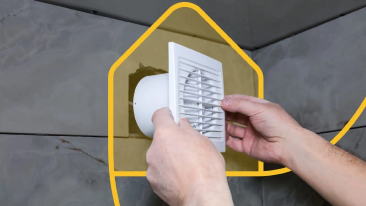
A good ventilation system removes heat, moisture, and combustion gases from your kitchen. Make sure your range hood or exhaust fan works properly and is used every time you cook. Also, clean the filters frequently to avoid grease buildup, which can reduce airflow or cause odors.
Proper ventilation also minimizes exposure to carbon monoxide, keeping your indoor air healthier.
3. Inspect Gas Connections and Hoses At Frequent Intervals
Loose or cracked gas lines pose serious safety risks. Inspect connections and hoses at least twice a year, especially if your gas range is used often. Look for signs of wear, brittleness, or leaks.
You can perform a quick check by applying a mix of soap and water to the connection points. If bubbles appear, turn off the supply and call a professional immediately. Routine inspection ensures safe, steady gas flow to your stove.
4. Check Flame Color Regularly
A healthy gas flame should burn blue. If you notice yellow or orange flames, it may indicate incomplete combustion or clogged ports. This could be due to dirt, residue, or poor airflow.

Cleaning the burners and checking your ventilation system often resolves the issue. Persistent yellow flames, however, can signal a carbon monoxide concern, and you should get the cooktop professionally inspected.
5. Clean Stove Grates Without Damaging Them
Grates collects spills and stains regularly. Instead of scrubbing them harshly, soak them in warm water with mild dish soap. If the buildup is stubborn, use a paste of baking soda and water. Avoid metal scouring pads, which can scratch the surface and cause rust.
Always dry grates fully before placing them back since moisture can weaken the enamel coating over time.
6. Avoid Harsh Chemicals on Your Stove Surface
Strong cleaners may seem effective, but can damage glass or enamel surfaces. Stick to a soft cloth with warm, soapy water or a cleaning mix of vinegar and baking soda. This method removes residue without harming the material or affecting the shine of the cooktop.
Natural cleaning also keeps fumes to a minimum, making your kitchen air safer to breathe.
7. Handle Spills and Grease Buildup Safely
Daily spills are unavoidable, but quick cleaning prevents long-term damage. After cooking, wipe surfaces with a damp cloth once the stove cools. For tougher spots, use a little vinegar and baking soda. Never let grease sit, as it can stain, smell, or even catch fire if it builds near open flames.
Consistent attention after each meal keeps your cooking area clean and safe.
Seasonal Maintenance Checklist to Keep Your Gas Stove Ready All Year
Different seasons can bring different challenges. Keeping gas stove maintenance on a seasonal schedule helps prevent unexpected repairs and safety issues.
Follow this checklist to stay prepared all year:
- Spring: Deep clean burners, stove top, and range hood filters. Air out the kitchen to remove lingering winter odors.
- Summer: Check for gas leaks and inspect hoses. Heat can cause rubber to expand or crack.
- Fall: Clean the ventilation system and ensure burners are free of dust before the winter cooking season begins.
- Winter: Keep an eye on flame color and efficiency since homes stay closed up, affecting air circulation.
When Is It the Right Time to Bring in a Professional?
Even with regular cleaning, a professional should inspect your gas range annually to ensure your family’s safety. Also, consider scheduling service if you notice any of these:
- The flame burns yellow or unevenly.
- Ignition is slow or inconsistent.
- There’s a faint gas smell, even when turned off.
- The burner knobs are stiff or loose.
- You hear clicking sounds that don’t stop after the burner lights.
- It’s been over a year since your last inspection.
Technicians can fine-tune gas flow, test for leaks, and ensure your appliance meets safety standards.
How Can a Home Warranty Help with Gas Stove Repairs?
Gas ranges or stove repairs can cost hundreds of dollars. A faulty ignition system might run $150-300 to fix. Replacing burner assemblies or fixing gas leaks costs even more. These unexpected expenses strain household budgets.
A comprehensive home warranty covers gas stove breakdowns due to normal wear and tear. You pay a small service call fee, and the warranty handles the repair costs.
You don’t have to spend time searching for contractors or worrying about hiring someone without the right experience. Your warranty provider connects you with a certified pro who’s skilled in stove repair work.
Frequently Asked Questions About Maintaining Gas Stoves
How often should I clean my stove burners?
Weekly cleaning is ideal to prevent clogs and keep the flame consistent.
What flame color is normal?
A steady blue flame is ideal. Yellow or orange flames show blockage or improper fuel flow.
Why do my burners click but not light?
Moisture or debris can block the spark. Dry the ignitor area and clean the burner caps before retrying.
How can I tell if my stove is leaking?
A faint gas odor or hissing sound suggests a leak. Turn off the gas immediately and contact a professional.
Can I use baking soda to clean cooktop stains?
Yes, mix baking soda with water or vinegar into a paste and apply it gently to stubborn spots.
What’s the best way to extend my stove’s lifespan?
Regular gas stove maintenance, timely cleaning, and annual professional checks reduce wear and help your appliance last longer.
Related Posts



1-800-388-1918
Protect Your Property, Secure Your Peace: Your Plan Starts Here.